BA Flight Declares Mayday: Passenger Reveals Fear During Emergency Landing
Dramatic Account from BA Emergency Flight
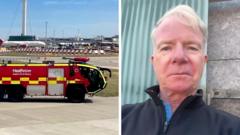
A passenger aboard the British Airways mayday flight that triggered an emergency response has provided a chilling firsthand account of the ordeal. Edward Killiwick, who was traveling on the aircraft that issued the distress signal, recounted the frightening moments as the crew declared the emergency before successfully returning to Heathrow Airport.
The incident, which occurred earlier this month, left passengers grappling with intense fear and uncertainty as the situation unfolded at thousands of feet above ground. Killiwick's recollection of the events provides crucial insight into how passengers experienced what could have become a tragedy.
Inside the Cabin During the Crisis
According to Killiwick's account, the atmosphere inside the cabin transformed rapidly once the emergency became apparent. The passenger described hearing announcements and experiencing the physical sensations that accompanied the aircraft's descent, with fellow travelers exhibiting visible signs of distress and anxiety.
The emotional toll on those aboard was substantial. Killiwick reported that passengers were openly expressing their fears, with some voicing desperate pleas during the tense moments preceding the landing. The psychological impact of experiencing a British Airways mayday flight situation created an environment of heightened tension throughout the cabin.
The Emergency Response
The crew's response to the emergency situation demonstrated the training and protocols that aviation professionals undergo to manage critical incidents. The decision to declare mayday and divert to Heathrow ensured that ground support, emergency services, and specialized equipment would be available immediately upon arrival.
Heathrow Airport, one of the world's busiest and best-equipped aviation facilities, was prepared to handle the aircraft and provide rapid emergency response if needed. The airport's emergency procedures were activated, and all necessary personnel were positioned to respond to the landing.
Safe Conclusion to the Emergency
Despite the terrifying nature of the situation, the aircraft touched down safely at Heathrow, bringing the ordeal to a successful conclusion. The safe landing represented the culmination of coordinated efforts between flight crew, air traffic control, and ground emergency services. No injuries were reported among the passengers or crew members.
Understanding Aviation Safety Protocols
The incident highlights how commercial aviation's safety systems function under extreme circumstances. When a British Airways mayday flight declares an emergency, every element of the aviation safety network activates simultaneously. This multi-layered approach to emergency management ensures that critical situations receive appropriate resources and attention.
The mayday protocol itself—a standardized international distress signal—communicates the severity of a situation to air traffic control and relevant authorities. This ensures that emergency services are mobilized and the aircraft receives priority handling for its approach and landing.
Passenger Experience and Recovery
Killiwick's willingness to share his experience sheds light on the human dimension of aviation emergencies. While the flight ultimately concluded safely, the emotional experience for those aboard remains significant and worthy of acknowledgment. Passengers often require time to process the psychological impact of such events.
Many airlines and aviation authorities recognize the importance of supporting passengers following emergency incidents. This includes providing information about what occurred, explaining the safety systems that functioned appropriately, and offering resources for those who may have experienced trauma.
The Broader Context of Aviation Safety
Despite the alarming nature of any mayday declaration, commercial aviation remains extraordinarily safe. Aircraft systems include multiple redundancies and backups designed to prevent emergencies from becoming catastrophic events. Pilot training extensively covers emergency procedures and decision-making in crisis situations.
The successful resolution of the British Airways mayday flight incident exemplifies how these safety systems perform their intended function. The aircraft returned safely to Heathrow, passengers disembarked without incident, and the situation was managed according to established protocols.
Moving Forward
As aviation authorities conduct standard investigations into the cause of the emergency, the focus remains on understanding what triggered the mayday declaration and ensuring that any necessary corrective measures are implemented. Such investigations contribute to the continuous improvement of aviation safety across the industry.
For passengers like Killiwick, sharing their accounts serves an important purpose in understanding how people respond to aviation emergencies and how the industry can better support passengers through such events.