Burnham Blames Tory Legacy for UK Economic Vulnerability
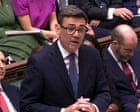
Prime Minister Addresses Economic Vulnerability in Parliamentary Debate
Andy Burnham has attributed responsibility for the UK economy's vulnerability to market disruptions directly to the Conservative Party's governance legacy. During his inaugural prime minister's questions confrontation with opposition leader Kemi Badenoch, Burnham articulated concerns about how previous government policies have exposed Britain's financial stability to external economic shocks. The timing of this parliamentary exchange coincides with escalating pressure on the nation's borrowing costs, intensifying scrutiny on economic management strategies.
Comparison to Past Financial Crises Rejected
The Conservative leader sought to draw parallels between current market conditions and the turbulent period following Liz Truss's mini-budget announcement, a controversial fiscal policy that triggered significant economic disruption in 2022. However, Burnham firmly rejected this comparison, presenting a contrasting narrative about the roots of contemporary economic challenges. Rather than viewing present circumstances through the lens of recent budgetary decisions, the prime minister positioned the argument within a broader historical context, emphasizing structural weaknesses inherited from previous administrations.
Growth and Debt as Core Issues
Central to Burnham's rebuttal was the assertion that the Conservative government failed to adequately address fundamental economic weaknesses, particularly concerning growth trajectories and national debt accumulation. According to his perspective, inadequate attention to these critical economic indicators during the Conservative tenure created conditions wherein the UK economy vulnerable to unforeseen market pressures became an inevitable consequence. The failure to implement robust growth strategies, combined with insufficient debt management protocols, established the foundation for present financial fragility.
Market Pressures and Borrowing Implications
The escalating borrowing costs facing the nation represent a tangible manifestation of market confidence concerns surrounding UK economic governance. These financial pressures reflect investor apprehension regarding the sustainability of fiscal policies and the government's capacity to stimulate meaningful economic expansion. When markets perceive vulnerabilities in national economic fundamentals, the immediate consequence manifests through increased costs for government borrowing, creating a cyclical challenge where elevated expenses further constrain budgetary flexibility for growth investments.
Political Accountability and Economic Legacy
Burnham's strategy during the parliamentary exchange emphasized establishing clear lines of political accountability. By tracing contemporary economic difficulties to Conservative-era policies and priorities, the prime minister constructed a narrative whereby the UK economy vulnerable status stems from decisions and inactions of the previous administration. This approach seeks to redirect public discourse from immediate governmental performance toward historical policy evaluation, positioning current circumstances as inherited challenges requiring systematic remedial action rather than fundamental failures of present governance.
Forward-Looking Economic Strategy
The parliamentary debate underscored competing visions for economic recovery and resilience. While opposition parties attributed vulnerabilities to immediate policy decisions, government representatives framed the challenge as requiring long-term structural reforms addressing growth deficiencies and debt management. This fundamental disagreement about causation naturally extends to disagreement about appropriate remedies, with each political faction advocating distinct approaches to restoring economic stability and market confidence in UK financial institutions and government fiscal responsibility.