Disarmament Roadmap Offers Glimmer of Peace Despite Enormous Challenges in Gaza
Hamas Disarmament Plan: A Complex Path Forward
The proposal for Hamas disarmament represents a pivotal moment in the ongoing Gaza conflict, offering a fragile foundation for potential peace despite overwhelming political and military obstacles. The disarmament initiative seeks to address fundamental security concerns while acknowledging the intricate realities that have defined decades of regional instability and human suffering.
Understanding the Core Challenges
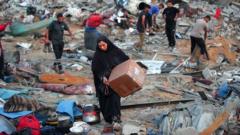
Any comprehensive Hamas disarmament agreement must navigate extraordinarily complex political landscapes. The sheer scale of destruction across Gaza—with entire neighborhoods reduced to rubble and essential infrastructure devastated—complicates traditional conflict resolution approaches. Thousands of casualties have deepened communal trauma and mutual distrust among all parties involved.
Military and Security Obstacles
The military dimension of disarmament presents formidable verification challenges. Monitoring mechanisms would require unprecedented international cooperation and on-the-ground presence. Trust between conflicting parties remains virtually nonexistent, making enforcement mechanisms extraordinarily difficult to implement effectively. Armed groups possess intricate networks spanning multiple territories, complicating tracking and accountability efforts.
Political Complications
Regional geopolitical dynamics add another layer of difficulty. Multiple state actors maintain strategic interests in Gaza's political trajectory, potentially complicating negotiations and implementation phases. Domestic political pressures within Palestinian territories and neighboring countries create additional constraints on decision-making.
Why This Plan Offers Genuine Hope
Despite these formidable obstacles, the Hamas disarmament framework represents a rare opportunity for transformative change. International attention has mobilized unprecedented diplomatic efforts, bringing previously disconnected parties to negotiation tables. The existence of any structured pathway toward disarmament indicates shifting attitudes toward resolution over perpetual conflict.
International Support and Mediation
Multiple nations and international organizations have expressed willingness to facilitate negotiations and provide verification support. This multilateral commitment creates structural incentives for serious engagement and reduces the likelihood of unilateral action derailing proceedings.
Reconstruction and Development Opportunities
Successful disarmament would unlock massive reconstruction resources currently unavailable due to security constraints. International funding mechanisms remain ready to deploy, pending security stabilization. Economic rehabilitation could address underlying grievances fueling ongoing conflict.
Implementation Realities and Concerns
Realistic implementation requires phased approaches rather than immediate comprehensive disarmament. Gradual confidence-building measures could establish precedent for deeper cooperation. Verification frameworks utilizing independent international monitors would need sophisticated technology and personnel resources.
The deaths of thousands cannot be overlooked in peace negotiations—addressing war crimes accountability while pursuing reconciliation presents fundamental tensions requiring innovative institutional approaches. Truth commissions, restorative justice mechanisms, and transitional justice processes could balance these competing objectives.
Gaza's Humanitarian and Reconstruction Needs
Current destruction encompasses healthcare facilities, educational institutions, and residential infrastructure. Disarmament agreements must integrate comprehensive reconstruction timelines. Water systems, electrical grids, and communication networks require complete rehabilitation requiring years and substantial financial investment.
Humanitarian access remains restricted despite ongoing suffering among civilian populations. Peace frameworks must guarantee unobstructed humanitarian corridors and establish mechanisms preventing future blockades or collective punishment.
Regional Stability Implications
Successful Hamas disarmament would influence broader regional dynamics substantially. Neighboring nations might reduce proxy support for various armed factions. Reduced military tensions could enable economic cooperation and cross-border development initiatives benefiting all communities.
Looking Toward Resolution
The Hamas disarmament plan, while facing immense obstacles, represents the most promising pathway toward sustainable peace. Achievement requires extraordinary political will, international cooperation, and genuine commitment from all stakeholders. The alternative—perpetual conflict inflicting endless human suffering and destruction—renders serious engagement with this framework essential for all parties seeking better futures for their communities.