Funeral Director Imprisoned for 20 Years Over Unburied Bodies
Funeral Director Imprisoned for 20 Years Over Unburied Bodies
A prominent funeral home operator has received a substantial prison sentence following serious criminal charges related to his mishandling of human remains. The funeral director imprisoned case represents one of the most egregious violations of trust within the funeral services industry, leaving numerous grieving families traumatized by the discovery that their loved ones were never properly interred.
The Crime and Sentencing
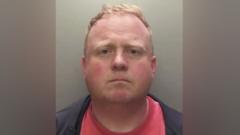
Robert Bush, the owner of a funeral establishment, was convicted of multiple offenses connected to his failure to properly dispose of human remains. The court sentenced him to 20 years in federal prison, marking a significant outcome in what authorities described as a deliberate and systematic pattern of misconduct. This disgraced funeral home operator exploited vulnerable families during their most difficult times, prioritizing cost-cutting measures over dignity and respect for the deceased.
Unburied Bodies and Cremation Fraud
The investigation uncovered that Bush failed to bury numerous bodies entrusted to his care. Instead of following proper funeral protocols, he warehoused remains in unauthorized locations while collecting fees from grieving relatives. Beyond the unburied bodies scandal, Bush engaged in an even more disturbing practice: he cremated people without authorization and subsequently distributed the ashes of strangers to unsuspecting families who believed they were receiving their loved ones' remains.
This deceptive practice compounded the trauma experienced by families. Many bereaved individuals performed memorial services and scattered what they believed were their family members' ashes, only to discover months or years later that they had been given the cremated remains of complete strangers. The psychological impact of this discovery cannot be overstated, as it violated the fundamental trust families place in funeral professionals.
Impact on Grieving Families
The cremation fraud perpetrated by Bush devastated countless families across multiple states. Relatives described feelings of betrayal and violation after learning that their burial decisions and memorial practices had been based on deliberate falsehoods. Some families had already held services and gatherings based on the assumption they were honoring their correct deceased family members.
Authorities launched a comprehensive investigation after initial complaints from families who noticed discrepancies in their deceased relatives' physical remains or encountered suspicious documentation. As investigators dug deeper into funeral home records, they uncovered the systematic nature of Bush's misconduct, revealing that this was not an isolated incident but rather an ongoing pattern affecting potentially hundreds of families.
Legal Consequences and Industry Response
The conviction and 20-year sentence serve as a stark reminder of the need for regulatory oversight in the funeral services industry. This funeral home misconduct case has prompted regulatory bodies to examine licensing requirements, facility inspections, and documentation procedures within funeral establishments nationwide.
Authorities also recovered numerous unclaimed remains during facility inspections, initiating a complex process to identify deceased individuals and attempt to reunite their remains with families. DNA testing and cross-referencing of funeral records has been ongoing to help correct the grave injustices perpetrated by Bush.
Moving Forward
The case highlights the importance of transparency and accountability in funeral services. Families are now advised to thoroughly vet funeral homes, request documentation of services, and maintain communication throughout the funeral process. Industry associations have implemented stricter ethical guidelines and oversight mechanisms to prevent similar occurrences.
This sentencing represents justice for the families victimized by this funeral director imprisoned for his unconscionable actions. The long prison term reflects the severity of his crimes and the lasting harm inflicted upon grieving families who sought respectful treatment of their loved ones during vulnerable moments.