Funeral Director Jailed 20 Years for Failing to Bury Bodies
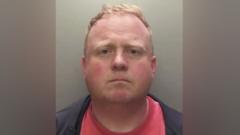
Funeral Director Receives 20-Year Prison Sentence
A prominent funeral director has been sentenced to two decades in prison for a series of grave offenses that devastated bereaved families across multiple states. The scandal surrounding this funeral service operator exposed systematic failures in body handling, cremation procedures, and the distribution of human remains, marking one of the most disturbing cases in the funeral industry.
The Charges Against the Funeral Director
Robert Bush, the disgraced funeral home operator at the center of this case, faced multiple criminal charges related to his mishandling of deceased individuals and the cremated remains entrusted to his care. The charges included failure to properly bury bodies, inadequate cremation procedures, and the deliberate distribution of incorrect ashes to grieving family members.
Investigators discovered that Bush failed to cremate people according to their families' wishes and instructions. In numerous instances, the funeral director gave bereaved relatives the ashes of complete strangers, compounding the trauma experienced by families already coping with loss. This negligent and callous practice affected dozens of families who discovered the horrifying truth only after receiving what they believed were their loved ones' remains.
Impact on Bereaved Families
The consequences of Bush's actions extended far beyond administrative violations. Families who had entrusted their deceased loved ones to his funeral home experienced compounded grief and emotional distress upon learning that the remains they received were not those of their relatives. Many families had already conducted memorial services and held funerals, only to discover they were mourning strangers' ashes.
The funeral director's failures meant that some bodies remained unburied for extended periods, while others were handled improperly throughout the cremation process. Families questioned whether their loved ones received dignified treatment and proper respect during their final arrangements. The emotional toll on these bereaved individuals cannot be overstated, as they faced the difficult reality that their trust had been fundamentally betrayed.
Investigation and Legal Proceedings
Authorities launched an extensive investigation into Bush's funeral establishment after complaints from multiple families raised red flags about mishandled remains. The investigation revealed a pattern of negligence, misconduct, and deliberate deception spanning several years. Prosecutors presented evidence demonstrating that the funeral director had systematically failed to maintain proper records, identify remains correctly, and ensure appropriate cremation procedures were followed.
During the legal proceedings, testimonies from grieving family members painted a picture of systematic failure within the funeral home's operations. The court heard accounts of families who discovered their loved ones' remains were never cremated as requested, while others received ashes belonging to completely unrelated individuals.
Sentence and Legal Consequences
The judge sentenced Bush to 20 years in federal prison, reflecting the serious nature of his crimes and the profound harm caused to numerous families. The lengthy sentence sends a clear message about the severity of misconduct within the funeral industry and the importance of properly handling human remains with dignity and respect.
In addition to the prison sentence, Bush faces potential civil lawsuits from affected families seeking compensation for emotional distress, funeral expenses, and other damages resulting from his negligent conduct. The case has prompted regulatory agencies to review funeral home licensing requirements and implement stricter oversight of cremation procedures across the industry.
Industry Reform and Safeguards
This high-profile case has triggered discussions within the funeral service industry regarding the implementation of enhanced safety protocols and accountability measures. Professional organizations are now advocating for mandatory DNA testing of cremated remains, improved record-keeping systems, and more frequent inspections of funeral establishments.
The scandal underscores the vulnerability of families during their most difficult moments and the absolute necessity of stringent regulations governing the handling of human remains. Funeral home operators must maintain the highest standards of integrity, professionalism, and respect when caring for deceased individuals and their bereaved families.