Funeral Director Jailed 20 Years for Failing to Bury Bodies
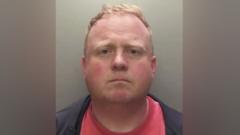
Funeral Director Receives 20-Year Sentence for Burial and Cremation Failures
A funeral director has been sentenced to 20 years in prison following a major scandal involving the mishandling of deceased individuals. The conviction centers on the operator's systematic failure to properly process bodies entrusted to his care, marking one of the most serious cases of funeral industry misconduct in recent years. The funeral director jailed case has shocked families across multiple jurisdictions who placed their trust in professional services.
Systematic Deception of Grieving Families
Robert Bush, the funeral home operator at the center of this case, engaged in a pattern of deception that extended far beyond simple negligence. Instead of fulfilling his professional obligations to bury deceased individuals, Bush allowed bodies to remain unprocessed for extended periods. The failures were not isolated incidents but represented a deliberate disregard for both the deceased and the families who depended on his services.
The most egregious aspect of the misconduct involved the handling of cremation services. When families requested cremation procedures, Bush failed to carry out these services as promised. Rather than immediately informing relatives of the situation, he opted for a more sinister approach: providing grieving family members with ashes that did not belong to their loved ones. This deception meant that countless individuals unknowingly held the remains of complete strangers during their memorial services and burials.
Impact on Bereaved Families
The discovery of this fraud devastated families who had already endured the loss of their loved ones. Many had paid substantial fees for cremation and burial services, trusting that their relatives would receive dignified treatment. Instead, they received false assurance and the remains of other individuals. The emotional and psychological toll on these families extended far beyond the initial shock of losing their loved ones.
Investigators uncovered multiple instances where families from different funeral arrangements received mixed remains. Some individuals were given ashes from multiple different people, creating a complex and heartbreaking situation that required extensive forensic analysis to resolve. The scope of the deception prompted authorities to launch a comprehensive investigation into all activities conducted at the funeral establishment.
Investigation and Legal Proceedings
The investigation revealed systematic record-keeping failures that suggested intentional concealment rather than accidental mismanagement. Documents were altered, cremation certificates were falsified, and burial records contained inaccurate information. Prosecutors presented evidence demonstrating that Bush understood the gravity of his actions and actively worked to prevent discovery of the misconduct.
During legal proceedings, authorities established that bodies had been stored improperly and left in unsuitable conditions for extended periods. Some deceased individuals remained unprocessed for months, violating basic standards of the funeral industry and fundamental principles of respect for the deceased. The evidence presented in court illustrated a complete breakdown of professional standards and ethical obligations.
20-Year Prison Sentence and Professional Consequences
The court sentenced Bush to two decades in prison, reflecting the severity of the criminal conduct. This substantial sentence underscores the gravity of betraying families during their most vulnerable moments. The convicted funeral director also faced permanent revocation of his professional license, ensuring he cannot operate in the funeral industry again.
The funeral director jailed case represents a watershed moment for funeral industry oversight and regulation. It prompted regulatory bodies to strengthen inspection protocols and implement more rigorous monitoring of cremation and burial procedures. Professional associations issued new guidelines for funeral homes to prevent similar abuses in the future.
Systemic Changes in Funeral Industry Oversight
Following this scandal, funeral regulation agencies across multiple jurisdictions implemented enhanced verification procedures for body processing and cremation services. New requirements mandate detailed documentation of every stage of the burial and cremation process, with independent verification of identity at critical checkpoints. Families now have greater access to records ensuring transparency throughout all procedures.
The case also prompted legislative action to increase penalties for funeral industry fraud and establish better mechanisms for reporting suspected misconduct. Consumer protection agencies developed new consumer rights information specifically addressing funeral services, helping families understand what to expect and how to verify proper handling of their loved ones.
Broader Implications for Consumer Protection
The conviction of Robert Bush has served as a stark reminder of the vulnerability of grieving families and the importance of industry regulation. Consumer advocacy groups have used this case to promote greater transparency in funeral services pricing and procedures. Many jurisdictions now require funeral homes to provide itemized pricing and detailed information about all services offered.
Funeral industry professionals have largely embraced these changes, recognizing that enhanced oversight protects both consumers and legitimate businesses. The scandal demonstrated that inadequate regulation ultimately harms the entire funeral services sector by undermining public trust. Modern funeral homes increasingly participate in voluntary certification programs that exceed minimum legal requirements, distinguishing themselves as trustworthy service providers.
Conclusion
The sentencing of the funeral director represents a significant moment in protecting consumer rights within the funeral industry. Families entrusting their deceased loved ones to funeral services deserve absolute assurance that their relatives will be treated with dignity and respect. The 20-year sentence reflects both the criminal nature of the deception and the lasting harm inflicted on grieving families.