Gaza's Disarmament Strategy: Hamas Weapons Removal Plan Faces Major Hurdles
Hamas Disarmament Plan: Navigating Complex Political Terrain
The prospect of Hamas disarmament in Gaza represents both a significant diplomatic breakthrough and an extraordinarily complex undertaking fraught with substantial obstacles. Political analysts and international observers acknowledge that achieving effective weapons removal from militant organizations requires unprecedented cooperation across multiple stakeholders, each with competing interests and historical grievances.
The disarmament initiative, while conceptually appealing to peace advocates, must contend with decades of entrenched conflict, widespread mistrust, and the devastating humanitarian consequences already inflicted upon the region. Successful Hamas disarmament would necessitate comprehensive agreements addressing security concerns, economic recovery, political governance, and accountability for past actions—elements that have consistently proven elusive in previous peace negotiations.
Political Obstacles to Weapons Removal
The political landscape surrounding potential Hamas disarmament remains extraordinarily fractured. Multiple Palestinian factions maintain divergent agendas, with some viewing weapons as essential to their strategic positioning and survival. International stakeholders—including regional powers, Western nations, and neighboring countries—each pursue distinct objectives that often contradict one another.
The fundamental issue of trust represents perhaps the most insurmountable barrier. Decades of broken agreements, failed ceasefires, and unilateral actions have created an atmosphere of profound skepticism. Hamas leadership fears that surrendering weapons could expose the organization to attacks from rival factions or external adversaries. Simultaneously, Israeli security concerns regarding Hamas's intentions create additional layers of complexity that any disarmament framework must address.
The Human Cost and Destruction Factor
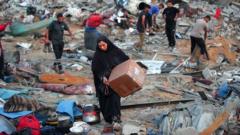
The scale of devastation in Gaza cannot be divorced from disarmament discussions. Thousands of deaths, displaced populations, destroyed infrastructure, and psychological trauma permeate the region. Communities that have endured years of conflict view weapons as defensive mechanisms rather than aggressive tools. This fundamental perspective gap between military strategists and affected populations complicates negotiation efforts substantially.
Reconstruction requirements following prolonged conflict necessitate substantial international investment and coordination. Economic rehabilitation must accompany any disarmament agreement to provide Palestinians with viable alternatives to armed resistance. Without addressing root causes of radicalization—poverty, displacement, limited opportunity—weapon removal remains superficial and temporary.
Zero Trust Dynamic in Conflict Resolution
The pervasive absence of trust among conflicting parties represents a defining characteristic of contemporary Gaza-related negotiations. Zero trust environments demand extraordinary verification mechanisms, external monitoring, and enforcement provisions. Implementing credible Hamas disarmament would require unprecedented levels of transparency, international oversight, and guarantees that no party gains strategic advantage through compliance.
Previous disarmament agreements in other global contexts demonstrate that successful weapons removal requires robust verification systems, consistent enforcement, and robust international commitment. The Middle Eastern context presents unique challenges, including geographic complexity, multiple competing authorities, and established networks of weapons procurement that extend across international borders.
Glimmers of Hope Amid Uncertainty
Despite formidable obstacles, diplomatic channels continue exploring disarmament possibilities. International mediators, humanitarian organizations, and pragmatic political figures recognize that prolonged militarization perpetuates cycles of violence that benefit no stakeholder fundamentally. Economic development, educational opportunities, and genuine political autonomy offer compelling alternatives to continued armed conflict.
Regional stabilization depends significantly upon reducing militant capabilities and establishing legitimate governance structures capable of addressing citizen needs. Countries that have successfully navigated post-conflict transitions demonstrate that combining security measures with economic development and inclusive political participation creates sustainable peace frameworks.
Prerequisites for Successful Implementation
Achieving meaningful Hamas disarmament requires simultaneous progress across multiple dimensions. Security guarantees must assure all parties that compliance won't expose them to existential threats. Economic investments must create employment opportunities and rebuild destroyed communities. Political reforms must establish legitimate representative institutions responsive to Palestinian aspirations.
International engagement proves essential, with major powers committing to enforce agreements and prevent external militarization. Regional cooperation from neighboring states would substantially enhance implementation prospects. Civil society organizations and religious leaders can mobilize grassroots support for peace initiatives that transcend military frameworks.
Outlook for Gaza's Future
The disarmament conversation represents an acknowledgment that perpetual conflict serves no productive purpose for any stakeholder. While obstacles remain genuinely formidable, the alternative—continued militarization and cyclical violence—proves demonstrably unsustainable. Gradual progress through international mediation, even incremental, maintains diplomatic channels and prevents complete collapse of peace processes.
Ultimately, successful Hamas disarmament depends upon whether political leaders prioritize long-term stability over short-term tactical advantages. The window for diplomatic solutions remains open, though narrowing. Seizing opportunities for meaningful dialogue, establishing transparent verification mechanisms, and committing international resources to post-conflict reconstruction offer realistic pathways toward sustainable resolution, albeit facing substantial headwinds and requiring extraordinary patience and commitment from all parties involved.