Hamas Disarmament Plan Brings Glimmer of Hope Despite Massive Obstacles
Understanding the Hamas Disarmament Initiative
A Hamas disarmament plan has emerged as a potential pathway forward for Gaza, though experts acknowledge the monumental challenges that accompany any such arrangement. The proposal represents a rare diplomatic glimmer in an otherwise deeply fractured landscape marked by military conflict, humanitarian suffering, and decades of mutual suspicion.
The Hamas disarmament plan would require unprecedented cooperation among stakeholders who have historically viewed each other with profound skepticism. Implementing such an agreement demands careful orchestration of security protocols, verification mechanisms, and guarantees that address the legitimate concerns of all parties involved in the region's volatile geopolitical situation.
Political Complexities and Governance Challenges
The political landscape surrounding Gaza remains extraordinarily intricate. Multiple factions within Palestinian territories maintain competing interests, while international players bring their own strategic objectives to negotiations. These overlapping agendas create friction that complicates even preliminary discussions about weapons reduction or organizational restructuring.
International precedents for disarmament initiatives demonstrate that success requires robust institutional frameworks, transparent monitoring systems, and sustained international engagement. However, Gaza's unique circumstances—including the devastation from ongoing conflict and the humanitarian crisis affecting civilian populations—add layers of complexity rarely encountered in conventional peace processes.
The Reality of Military Conflict and Destruction
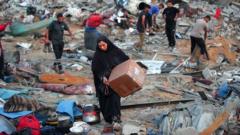
Thousands of lives have been lost, and widespread devastation has transformed Gaza's physical infrastructure and social fabric. This destruction creates additional obstacles for negotiations, as communities struggle with immediate survival needs while simultaneously being asked to commit to long-term political arrangements. The psychological trauma and material losses experienced by civilians influence their receptiveness to disarmament frameworks.
Military realities on the ground shift constantly, affecting negotiating positions and strategic calculations. Armed groups operating in the territory maintain complex hierarchies and autonomous decision-making structures that complicate centralized negotiations. Ensuring compliance from all armed elements within such decentralized networks presents a formidable verification challenge.
Zero Trust Environment and Security Concerns
An atmosphere of zero trust pervades all negotiations in this region. Historical betrayals, failed agreements, and cycles of violence have conditioned all parties to approach commitments with deep skepticism. Establishing credible verification mechanisms that satisfy these concerns requires independent international oversight and transparent accountability structures.
Security guarantees remain fundamental to any disarmament agreement. The parties involved must be convinced that surrendering weapons will not render them vulnerable to future aggression. This requires both concrete security architecture and a fundamental shift in regional relationships—a transition that cannot occur overnight.
Conditional Hope and Path Forward
Despite overwhelming obstacles, the emergence of discussion around a Hamas disarmament plan indicates that diplomatic channels remain open. The recognition that military solutions alone cannot resolve the underlying conflicts offers a foundation for engagement, though fragile and uncertain.
Successful implementation would necessitate phased approaches, international guarantees, reconstruction investments, and commitment to addressing root causes of conflict. Each element depends on genuine political will and sustained international pressure to maintain momentum through inevitable setbacks and crises.
The Hamas disarmament plan represents possibility rather than probability in the immediate term. However, its existence signals that stakeholders acknowledge the necessity for political resolution alongside military considerations. Building on this acknowledgment requires patience, sustained diplomatic effort, and willingness from all parties to prioritize long-term stability over short-term tactical advantages.
International Involvement and Monitoring
External actors will play crucial roles in any disarmament framework, providing both incentives for compliance and consequences for violations. International organizations, regional powers, and diplomatic intermediaries must coordinate their efforts to create conditions where agreements can take root and flourish.