Hamas Disarmament Strategy Confronts Major Challenges Despite Peace Prospects
Hamas Disarmament in Gaza: Understanding the Complex Reality
The prospect of Hamas disarmament in Gaza represents a pivotal moment in Middle Eastern geopolitics, presenting both significant challenges and an unexpected opening for lasting peace. While the political landscape remains fraught with complications stemming from years of conflict, strategic positioning by international actors has created conditions that, while difficult, offer tangible hope for regional transformation.
Multifaceted Obstacles to Implementation
The pathway toward effective Hamas disarmament faces formidable barriers rooted in the fundamental realities of modern warfare and political dynamics. Thousands of lives lost during military operations have created deep-seated mistrust among all parties involved. The extensive destruction across Gaza's infrastructure compounds these challenges, making any negotiated framework extraordinarily intricate to execute successfully.
Political Complexities
Political considerations represent the first major hurdle in pursuing meaningful Hamas disarmament initiatives. Regional governments, international stakeholders, and local Palestinian factions each maintain distinct interests and red lines. The internal dynamics within Palestinian territories add another layer of complexity, as various armed groups and political movements hold competing visions for Gaza's future governance structure and security arrangements.
Trust Deficit Among Parties
Zero trust dynamics characterize current negotiations surrounding disarmament protocols. Previous agreements have faltered due to implementation failures and perceived violations, creating justified skepticism about any new arrangements. Both Israeli and Palestinian leadership face domestic pressure from hardline constituencies suspicious of negotiated settlements, complicating diplomatic progress toward concrete agreements on weapons reduction and military restructuring.
The Destruction Factor
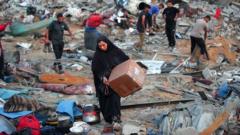
The unprecedented destruction wrought by recent military campaigns creates substantial practical obstacles for Gaza disarmament efforts. Rebuilding infrastructure requires massive international investment and coordination. This reconstruction process necessarily intersects with disarmament discussions, as security concerns during the rebuilding phase could either facilitate or derail weapons withdrawal initiatives. Humanitarian needs competing with security considerations complicate the sequencing of interventions.
Unprecedented Opportunities for Peace
Despite these considerable obstacles, current circumstances present rare diplomatic openings. International pressure on both sides, combined with war fatigue among civilian populations, has created conditions where previously unthinkable compromises appear possible. Regional players, including Gulf states and other Arab nations, demonstrate heightened interest in sponsoring peace initiatives that could reshape Middle Eastern security architecture.
International Support Framework
Global stakeholders have mobilized resources and diplomatic channels to support Hamas disarmament negotiations. United Nations bodies, international organizations, and major powers have signaled commitment to facilitating agreements that address security concerns while protecting civilian rights. This coordinated international engagement offers potential enforcement mechanisms and economic incentives that could encourage compliance with disarmament provisions.
Reconstructing Gaza: A Path Forward
Any successful approach to Gaza disarmament must integrate reconstruction planning with security arrangements. International observers could oversee weapons decommissioning while development agencies simultaneously address humanitarian needs. This integrated strategy acknowledges that lasting peace requires simultaneous attention to economic rehabilitation and military restructuring, addressing root grievances that fuel prolonged conflict.
The Critical Role of Trust-Building
Establishing verifiable mechanisms for monitoring weapons removal remains essential. Transparent processes involving neutral international observers could gradually rebuild confidence between parties. Staged implementation of disarmament provisions, tied to measurable improvements in security conditions and civilian welfare, offers a practical framework for moving forward despite historical animosities.
Conclusion: Hope amid Uncertainty
The journey toward effective Hamas disarmament in Gaza remains extraordinarily challenging, yet the convergence of multiple factors creates genuine opportunities for progress. While political complexities, trust deficits, and reconstruction demands pose substantial hurdles, the alternative of indefinite conflict appears increasingly untenable for all involved parties. Strategic international engagement, combined with commitment from regional and local stakeholders, may finally transform this persistent conflict into a pathway toward sustainable peace and regional stability.