Hamas Disarmament Strategy Encounters Major Hurdles Despite Fresh Gaza Peace Prospects
Complex Path Forward for Hamas Weapons Reduction
A Hamas disarmament plan has emerged as a potential turning point in the protracted Gaza conflict, though the Hamas disarmament plan confronts substantial structural and geopolitical impediments that could derail implementation. The initiative represents one of the most significant diplomatic developments in years, offering a fragile pathway toward stability in a region scarred by prolonged violence and humanitarian catastrophe.
The proposal operates within an extraordinarily complicated framework shaped by decades of mistrust, military standoff, and the profound humanitarian consequences of ongoing warfare. Successfully executing a Hamas disarmament plan would require unprecedented cooperation between multiple parties with fundamentally conflicting interests and deeply entrenched security concerns.
Political Obstacles Threaten Implementation
The political landscape presents formidable barriers to any comprehensive agreement. Governments and armed factions hold incompatible positions regarding security guarantees, territorial control, and the future governance structure of Gaza. Negotiators must navigate competing demands from regional powers, international stakeholders, and internal Palestinian political divisions.
Trust deficits permeate every dimension of potential negotiations. Previous agreements have foundered on implementation failures and perceived violations, creating psychological and institutional barriers to progress. Both Israeli and Palestinian leadership factions harbor profound skepticism about whether counterparts will honor commitments once weapons are surrendered or security arrangements modified.
Military Realities and Security Concerns
The military dimension adds considerable complexity to disarmament considerations. Hamas maintains substantial weapons caches and organizational infrastructure distributed throughout Gaza's dense urban landscape. Verifying the completeness of weapons reductions poses extraordinary technical and logistical challenges amid an active conflict zone with limited international inspection capacity.
Military commanders on all sides express reservations about security implications. Israeli defense officials worry about incomplete disarmament leaving Hamas capable of renewed attacks. Palestinian armed groups fear vulnerability during a transition period when security arrangements remain unsettled and international guarantees unproven.
Human Toll and Reconstruction Demands
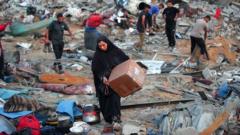
The humanitarian dimension cannot be separated from disarmament discussions. Thousands of deaths and widespread infrastructure destruction have traumatized populations and created urgent demands for reconstruction resources. Any disarmament agreement must address compensation, refugee return policies, and rebuilding commitments to gain legitimacy among affected populations.
Gaza's civilian population has endured immense suffering that complicates peace efforts. Survivors require tangible evidence that agreements will generate concrete improvements in living conditions, economic opportunities, and security. Without demonstrable humanitarian benefits accompanying disarmament, public support for agreements may erode quickly.
Why This Initiative Offers Genuine Hope
Despite overwhelming obstacles, this Hamas disarmament plan presents unprecedented opportunity. International mediators report unprecedented willingness from multiple parties to engage constructively. The economic costs of perpetual conflict have reached unsustainable levels for all parties, creating powerful incentives for negotiated settlement.
External pressure and changing geopolitical dynamics have elevated disarmament discussions to unprecedented priority levels. Regional and international actors increasingly recognize that military solutions cannot resolve the underlying conflict, making diplomatic alternatives more strategically attractive than previously acknowledged.
Prerequisites for Successful Implementation
Moving forward requires establishing credible verification mechanisms, international security guarantees, and comprehensive reconstruction funding. Regional powers must commit to respecting agreement terms and enforcing compliance through multilateral oversight structures rather than unilateral enforcement attempts.
Phased implementation timelines could reduce risks by allowing trust-building during initial stages before requiring substantial weapons reductions. Transparent monitoring by respected international organizations would provide necessary assurance to all parties regarding compliance and commitment adherence.
The Hamas disarmament plan ultimately represents a calculated bet that rational actors can overcome historical grievances through structured negotiation and international cooperation. Success remains uncertain, yet failure to pursue this opportunity could perpetuate cycles of violence indefinitely.