Massive Evacuation by Sea as Greek Wildfire Threatens Coastal Towns
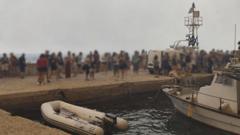
Greek Wildfire Forces Emergency Sea Evacuation
A Greek wildfire evacuation operation unfolded dramatically as approximately 500 people, predominantly international tourists, were rescued from the coastal community of Agios Vasileios by maritime vessels. The emergency response highlighted the severity of the situation as residents and visitors found themselves isolated by advancing flames, with sea routes becoming the only viable escape option from the threatened seaside settlement.
Emergency Response and Rescue Operations
Authorities coordinated a swift maritime rescue operation to transport stranded populations away from the danger zone. The evacuation process, while challenging due to the rapid spread of fire and deteriorating atmospheric conditions, successfully relocated hundreds of individuals to safer locations. Emergency responders worked tirelessly to ensure orderly boarding and departure of evacuation vessels, prioritizing vulnerable populations including children and elderly visitors.
Scale and Impact of the Evacuation
The Greek wildfire evacuation represented one of the most significant maritime emergency operations in recent memory for coastal regions. With tourist season in full effect across Mediterranean destinations, the incident affected numerous holiday-makers who had been unaware of the approaching danger. Local authorities had to establish temporary accommodation and reception centers to process evacuated persons and provide immediate humanitarian assistance.
Broader European Wildfire Crisis
The Greek wildfire evacuation occurred within a larger context of unprecedented fire activity spreading throughout Europe. Multiple countries simultaneously battled uncontrolled blazes, straining regional emergency resources and international firefighting support networks. The coordinated nature of these wildfires across diverse geographical zones suggested climatic and environmental factors were contributing to unusually severe fire seasons across the continent.
Climate and Environmental Conditions
Meteorological experts pointed to exceptionally high temperatures, prolonged drought conditions, and strong winds as critical factors amplifying wildfire intensity and spread. The Greek wildfire evacuation became necessary partly due to these environmental pressures that created ideal conditions for rapid flame propagation and unpredictable fire behavior. Forest management practices and vegetation accumulation also contributed to the severity of the crisis.
International Cooperation in Wildfire Response
European nations mobilized resources to support affected areas, with firefighting personnel, equipment, and aerial assets being deployed across borders. The Greek wildfire evacuation demonstrated the necessity for coordinated international disaster response mechanisms. Neighboring countries provided additional firefighting support, rescue teams, and humanitarian assistance to overwhelmed local emergency services.
Coordination Between Regional Authorities
Communication networks between Greek authorities, maritime agencies, and emergency services proved essential to the successful Greek wildfire evacuation. Real-time information sharing about fire progression enabled timely decision-making regarding evacuation timing and assembly points. Established disaster management protocols were activated to facilitate seamless coordination among multiple agencies operating under extreme pressure.
Recovery and Future Prevention Strategies
As the Greek wildfire evacuation concluded, authorities began assessing damage to infrastructure and natural resources. Rebuilding efforts would require substantial investment in structural repairs and reforestation initiatives. Experts called for enhanced preventative measures, including improved early warning systems and strategic fuel management to reduce catastrophic wildfire risk in vulnerable coastal regions.
Long-term Preparedness Measures
The successful Greek wildfire evacuation, while necessary, also exposed vulnerabilities in existing emergency protocols. Recommendations emerged for upgraded evacuation infrastructure, pre-positioned maritime assets, and accelerated community preparedness training. Environmental authorities advocated for comprehensive landscape management strategies to minimize future fire severity and protect populations living adjacent to high-risk zones.
Conclusion
The Greek wildfire evacuation of approximately 500 people from Agios Vasileios represented a critical moment in European disaster response. As wildfires continued ravaging multiple nations simultaneously, the incident underscored urgent requirements for enhanced international cooperation, improved early warning capabilities, and sustainable environmental management. The maritime evacuation operation successfully preserved lives while demonstrating both the capacity and limitations of existing emergency response systems facing intensifying natural disasters across the European continent.