Massive Greek Wildfire Forces 500 People to Flee by Sea
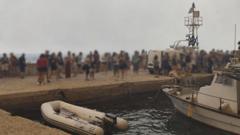
Greek Wildfire Forces Mass Evacuation by Sea
A devastating Greek wildfire evacuation operation has unfolded along the Mediterranean coast as approximately 500 individuals, predominantly international tourists, were rescued by maritime vessels from the coastal village of Agios Vasileios. The Greek wildfire evacuation represents one of the most significant emergency maritime rescue operations in recent European history, highlighting the growing threat that uncontrolled forest fires pose to populated coastal regions.
Details of the Evacuation Operation
The evacuation took place after residents and holiday-makers found themselves surrounded by rapidly advancing flames in the Agios Vasileios area. With ground evacuation routes becoming increasingly compromised by the intensity and speed of the wildfire's progression, local authorities made the critical decision to implement an emergency maritime rescue plan. Multiple fishing vessels, coast guard boats, and commercial ferries were deployed to extract the trapped individuals from the beach area.
The operation, conducted under intense heat and smoky conditions, demonstrated the coordinated efforts of Greek maritime authorities and emergency services. Rescue personnel prioritized the evacuation of families with children and elderly residents, while also assisting tourists who had been enjoying the region when the disaster struck. The seamless coordination between different rescue units ensured that all 500 individuals were safely transported to nearby ports without reported casualties during the evacuation process.
Broader Wildfire Crisis Across Europe
The Greek wildfire evacuation incident represents merely one chapter in a larger European wildfire crisis that has intensified throughout the region. Unprecedented heat waves and prolonged drought conditions have created ideal circumstances for rapid wildfire spread across multiple countries, including Spain, Italy, Portugal, and other Mediterranean nations. Climate patterns and environmental conditions have made this particular season exceptionally dangerous for forest fire management.
Impact on Tourism and Local Communities
The evacuation of hundreds of tourists from Agios Vasileios has sent shockwaves through Greece's vital tourism sector during peak holiday season. The incident raises serious questions about disaster preparedness in popular tourist destinations and the capacity of local infrastructure to handle mass emergency evacuations. Many affected visitors have expressed concern about the escalating climate-related risks to Mediterranean holiday destinations.
Emergency Response and Recovery Efforts
Following the successful maritime evacuation, Greek authorities established temporary shelters and aid centers for the displaced individuals. Emergency services continued monitoring the situation around Agios Vasileios, with aerial firefighting units deployed to combat the advancing flames. The Greek wildfire evacuation served as a stark reminder of how rapidly natural disasters can escalate and the importance of maintaining readiness across all emergency response sectors.
Wider European Wildfire Situation
The evacuation near Agios Vasileios coincides with similar emergency situations reported across numerous European locations. Spain has battled particularly severe wildfires affecting thousands of hectares, while Portugal and Italy have implemented their own emergency evacuation protocols. The cumulative impact of these simultaneous wildfires across Europe demonstrates the unprecedented scale of the current crisis and the strain it places on international disaster response capabilities.
Meteorological experts warn that current atmospheric conditions may persist for several weeks, potentially extending the high-risk wildfire season further than originally anticipated. This projection has prompted European nations to mobilize additional firefighting resources and enhance coordination between neighboring countries in wildfire prevention and suppression efforts.