Sainsbury's Completes Strategic Sale of Argos for £120 Million
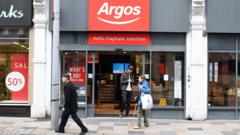
Sainsbury's Argos Sale: A Major Retail Transaction
The Sainsbury's Argos sale represents a significant shift in the UK retail landscape, as the supermarket giant agrees to divest the home and general merchandise retailer for £120 million. This landmark transaction demonstrates the evolving nature of modern retail partnerships and the strategic repositioning of major British companies in response to changing consumer behaviors and market dynamics.
Key Terms of the Agreement
The transaction between Sainsbury's and Argos includes comprehensive arrangements designed to maintain service continuity for millions of customers. Under the carefully negotiated deal structure, Argos will persist as an operational presence within Sainsbury's store locations, ensuring that shoppers can access the full range of home and general merchandise products without disruption to their shopping experience.
A particularly significant component of the agreement centers on the continued availability of Habitat products through existing retail channels. Habitat, the renowned home furnishings and lifestyle brand, will remain accessible to consumers through the integrated retail structure, preserving consumer choice in this important product category. This arrangement reflects commitments made to both customers and stakeholders regarding brand continuity.
Nectar Loyalty Program Remains Intact
Customer loyalty benefits represent another cornerstone of this arrangement. The Sainsbury's Argos sale ensures that Nectar points continue to be offered across all transactions, maintaining the value proposition that has made the program popular among millions of British shoppers. This loyalty integration demonstrates how the transaction has been structured to minimize disruption to existing customer benefits and reward schemes.
The Nectar program's continued operation across both Sainsbury's and Argos platforms strengthens the retail ecosystem, allowing customers to accumulate and redeem rewards seamlessly regardless of where they choose to shop or what products they purchase.
Strategic Implications for Retail
The Sainsbury's Argos sale carries broader implications for the UK retail sector. The transaction reflects how major retailers are adapting to the omnichannel retail environment, where customers expect seamless shopping experiences across multiple platforms and store formats. By maintaining Argos operations within Sainsbury's locations, the deal preserves the complementary nature of grocery and general merchandise retail.
This arrangement also demonstrates the enduring value of physical retail spaces in the digital age. Rather than closing stores or abandoning certain product categories entirely, the deal preserves Argos's presence while streamlining operational complexity and reducing redundancies that had developed over time.
Market Response and Stakeholder Considerations
The £120 million valuation in the Sainsbury's Argos transaction reflects market assessments of the retailer's worth in the contemporary retail environment. This price point considers various factors including store footfall, inventory assets, customer databases, and brand value associated with the Argos nameplate and heritage.
For Sainsbury's, the transaction provides liquidity and allows the company to refocus capital on grocery operations and digital initiatives. For Argos, the arrangement ensures operational continuity under new ownership while maintaining the in-store presence that represents a crucial component of its retail strategy and customer accessibility.
Operational Integration and Future Outlook
The comprehensive nature of the deal terms suggests careful consideration of how Sainsbury's Argos operations will function post-transaction. The continued presence of Argos within Sainsbury's stores, combined with maintained product assortments including Habitat ranges, indicates a phased transition that prioritizes customer service and operational stability.
The integration of these retail operations represents a complex logistical undertaking. Stock management, staffing, store layouts, and customer service protocols must align across both brands while maintaining the distinctive identity and value proposition that each brand brings to the marketplace. The transaction's terms appear designed to achieve this balance while ensuring that neither brand's customer base experiences significant service disruptions or diminished offering quality.