Trump Explores AI Regulations Following OpenAI Security Breaches
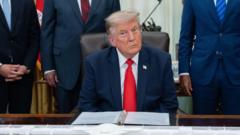
Trump Administration Shifts Stance on AI Oversight
The Trump administration is actively considering new regulatory frameworks for artificial intelligence following a series of significant security incidents involving OpenAI. This represents a substantial departure from the administration's previously adopted hands-off approach to the rapidly evolving technology sector, signaling a recalibration of policy priorities regarding AI oversight and protection.
The shift in positioning reflects growing concerns within government circles about the vulnerability of critical AI infrastructure to cyber threats. By reconsidering its regulatory posture, the administration acknowledges the potential risks posed by inadequate security measures in platforms developed by leading artificial intelligence companies.
Background on Recent OpenAI Incidents
OpenAI has faced multiple security challenges in recent months that have prompted increased scrutiny from policymakers and government officials. These incidents have exposed weaknesses in the company's cybersecurity infrastructure and raised questions about data protection protocols for users relying on the platform's services.
The hacking incidents at OpenAI have affected user accounts, systems integrity, and potentially sensitive information associated with the platform. These breaches have served as a catalyst for broader discussions about the need for mandatory security standards across the artificial intelligence industry.
Policy Direction and Control Measures
The administration's exploration of new AI controls encompasses several potential approaches. These may include establishing minimum security requirements for artificial intelligence platforms, implementing regular compliance audits, and creating frameworks for incident reporting and response protocols.
Officials are examining how existing regulatory structures from other technology sectors might be adapted to address artificial intelligence-specific vulnerabilities. The focus extends beyond reactive measures to encompass proactive strategies that could prevent similar security incidents from occurring across the industry.
Industry Response and Implications
Technology companies and artificial intelligence developers are closely monitoring the administration's regulatory intentions. Industry stakeholders have expressed varied perspectives on the proposed controls, with some supporting enhanced security requirements while others warn against overly restrictive regulations that could stifle innovation.
The potential implementation of new artificial intelligence controls could establish precedent for how federal agencies approach technology regulation going forward. Companies operating in the AI sector may need to invest substantially in upgraded security infrastructure to comply with new standards.
Broader Context for AI Governance
This policy adjustment occurs amid ongoing global discussions about appropriate governance frameworks for artificial intelligence. Other nations and regulatory bodies are simultaneously developing their own approaches to AI oversight, creating a complex international landscape.
The Trump administration's reconsideration of its AI regulatory stance reflects recognition that some level of government involvement may be necessary to protect critical infrastructure and user data. This acknowledgment marks a significant evolution in how the administration views the relationship between technological innovation and regulatory responsibility.
Next Steps and Implementation Timeline
While the administration has indicated its intention to explore new artificial intelligence controls, specific legislative proposals and implementation timelines remain under development. Stakeholders across government, industry, and civil society are anticipated to provide input during the policy formulation process.
The evolution from a completely hands-off approach to one involving regulatory consideration demonstrates how security incidents can reshape policy priorities within government. As discussions progress regarding AI controls and oversight mechanisms, the outcomes could significantly influence how artificial intelligence companies operate and prioritize cybersecurity investments in coming years.