US Climber Recovered in Pakistan Avalanche Tragedy
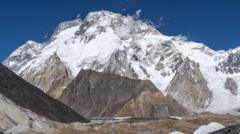
American Climber Body Recovered Following Pakistan Mountain Avalanche
The body of a United States climber has been recovered in Pakistan following a devastating avalanche that struck a mountainous region, marking the latest discovery in an ongoing rescue and recovery operation. The Pakistan avalanche climber incident has claimed multiple lives, with search teams continuing their efforts to locate additional missing mountaineers across the treacherous alpine terrain.
Recovery Efforts Intensify on Mountain Peaks
Recovery teams have successfully located and retrieved the remains of two additional climbers who perished in the avalanche, bringing the total number of confirmed fatalities to at least three. The Pakistan avalanche climber search operation involves coordinated efforts between local authorities, international rescue specialists, and mountain rescue teams who face extremely challenging conditions while navigating steep slopes and unstable snow fields.
The mountainous region where the avalanche occurred presents significant obstacles to rescue personnel, including unpredictable weather patterns, avalanche risks, and the high altitude environment that complicates every aspect of the recovery mission. Despite these hazardous conditions, rescue teams remain committed to locating all missing individuals and returning them to their families.
Missing Climbers Still Unaccounted For
Several climbers remain unaccounted for following the avalanche disaster, prompting intensified search operations across multiple valleys and slopes. The exact number of missing persons continues to be assessed as rescue teams expand their search zones and gather information from base camp survivors and expedition records.
Communication challenges and the vastness of the mountainous terrain have complicated efforts to establish a complete accounting of all expedition participants. International mountain rescue experts have been deployed to supplement local teams, bringing specialized equipment and avalanche rescue expertise to enhance search capabilities.
Conditions Impact Rescue Operations
The precarious conditions on the mountain have necessitated careful planning of rescue missions to prevent additional casualties among search personnel. Weather forecasts indicate potentially adverse conditions that could further hamper recovery efforts in coming days, making the current window critical for locating surviving climbers or recovering additional remains.
Rescue coordinators have established multiple staging areas at various elevations to facilitate rapid response to any new discoveries or signs of survivor activity. Medical teams remain stationed at these locations to provide immediate assistance should any climbers be found alive.
International Response and Support
The Pakistani government has mobilized resources across multiple agencies to support the avalanche rescue operations. International climbing organizations and embassies are coordinating with local authorities to provide assistance to grieving families and ensure proper identification of recovered remains.
The incident underscores the inherent risks associated with high-altitude mountaineering expeditions and the challenging environment climbers face when pursuing ambitious peaks. Mountain safety experts continue recommending comprehensive avalanche awareness training and proper equipment assessments before undertaking expeditions in avalanche-prone regions.
Expedition Details and Ongoing Assessment
Details regarding the expedition that encountered the avalanche continue to emerge as investigators interview survivors and review expedition documentation. The climbing party consisted of experienced mountaineers from multiple countries who were attempting to summit one of Pakistan's prominent peaks.
As recovery operations progress, officials will conduct a thorough investigation into the avalanche's causes, examining factors such as weather patterns, snow stability, route selection, and expedition planning. These findings will contribute to the broader understanding of avalanche risk management in mountainous terrain.