US Mountaineer's Body Found Following Deadly Pakistan Avalanche Disaster
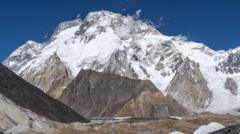
Tragic Recovery Operations Unfold in Pakistan Mountain Range
A devastating Pakistan avalanche has claimed multiple lives in what authorities are describing as one of the region's most serious mountaineering disasters. The body of a US climber has now been recovered from the treacherous slopes, marking another heartbreaking chapter in the ongoing rescue and recovery mission.
Latest Recovery Adds to Growing Death Toll
Following the initial impact of the Pakistan avalanche, recovery teams have now successfully retrieved the remains of three mountaineers. The US climber's recovery represents the latest addition to the grim toll of those who perished when massive snow and ice descended upon the climbing route without warning.
The two other mountaineers whose bodies were previously recovered have been identified, with authorities working to notify next of kin and coordinate repatriation efforts. Each recovery operation presents significant challenges, as rescue teams must navigate hazardous terrain and unpredictable weather conditions that continue to threaten ongoing search and rescue activities.
Ongoing Search for Missing Climbers
Despite the difficult conditions and the bodies already recovered, several other mountaineers remain unaccounted for following the Pakistan avalanche incident. Rescue teams are intensifying their efforts to locate the missing individuals before weather conditions deteriorate further and make operations increasingly perilous.
The search and recovery mission involves coordination between international rescue organizations, Pakistani military personnel, and local mountaineering experts who understand the unique challenges posed by high-altitude environments. Every passing hour becomes more critical as teams race against time and deteriorating weather patterns.
Challenges Facing Rescue Operations
Recovery efforts following the Pakistan avalanche face numerous obstacles that complicate the already dangerous work. Extreme altitude, thin oxygen levels, rapidly changing weather, and unstable snow conditions create a hazardous environment where even experienced rescue personnel must exercise extreme caution.
The terrain surrounding the avalanche site is notoriously difficult to navigate, with steep slopes and hidden crevasses posing additional dangers. Helicopter operations, which might otherwise speed up recovery efforts, are frequently grounded due to poor visibility and strong winds at elevation.
International Response and Support
The Pakistan avalanche disaster has prompted immediate responses from multiple nations and international mountaineering organizations. Governments are coordinating with Pakistani authorities to provide additional resources, equipment, and personnel to support ongoing rescue and recovery operations.
Families of the missing climbers remain in contact with rescue coordinators, who provide regular updates on search progress and recovery efforts. The international mountaineering community has also mobilized support networks to assist affected families during this tragedy.
Safety Concerns in High-Altitude Mountaineering
This Pakistan avalanche incident renews important discussions about mountaineering safety protocols and risk assessment in high-altitude regions. Despite advanced weather prediction technology and safety equipment, avalanche risk remains one of the most unpredictable dangers facing climbers attempting some of the world's most challenging peaks.
Mountaineering organizations are reviewing incident reports and safety procedures to identify any lessons that might prevent similar tragedies in the future. The incident serves as a sobering reminder of the inherent risks involved in pursuing high-altitude climbing expeditions.
Looking Forward: Recovery and Prevention
As the Pakistan avalanche recovery operation continues, attention is also turning toward preventive measures and enhanced safety protocols for future expeditions. Improved avalanche forecasting, mandatory safety briefings, and stricter route assessments may help reduce risks for climbers attempting high-altitude mountains.
The families affected by this tragedy and the global mountaineering community await final recovery results and official investigations that will determine what additional safeguards might be implemented to protect future expeditions in this challenging region.